Certainly! Here are some fast facts about DOT (Department of Transportation) physicals:
Regulatory Requirement:
DOT physicals are mandated by the Federal Motor Carrier Safety Administration (FMCSA) for people working industrial motor vehicles (CMVs) in interstate commerce.
Frequency:
Commercial drivers are usually required to endure a DOT bodily each 24 months. However, drivers with sure well being situations may have more frequent examinations.
Website link :
DOT physicals have to be carried out by licensed medical examiners listed on the National Registry of Certified Medical Examiners.
Components:
DOT physicals assess varied features of a driver's health, together with vision, listening to, blood stress, and total physical health.
Blood Pressure Limits:
The blood pressure restrict for passing a DOT bodily is generally below 140/90 mmHg. A one-time exemption may be granted for values between 140/90 and 159/99.
Vision Requirements:
Drivers must have no less than 20/40 acuity in each eye, with or with out correction, and a minimal of 70 levels of peripheral imaginative and prescient.
Hearing Requirements:
Drivers should have the flexibility to perceive a pressured whisper at a distance of at least five toes.
Urine Test:
A urine sample could also be collected to verify for sure medical situations and can also be used for drug testing as required.
Job-Related Fitness:
DOT physicals make positive that drivers are physically match for the demands of their job, promoting security on the highway.
Insurance Compliance:
Some insurance providers could require drivers to move DOT physicals as a half of threat management and safety programs.
Liability Mitigation:
Employers benefit from making certain drivers cross DOT physicals, mitigating legal responsibility in case of accidents involving unfit drivers.
Public Safety Emphasis:
DOT physicals play an important position in emphasizing public safety by making certain that drivers are match for the duties of operating CMVs.
Renewal of Medical Examiner's Certificate (MEC):
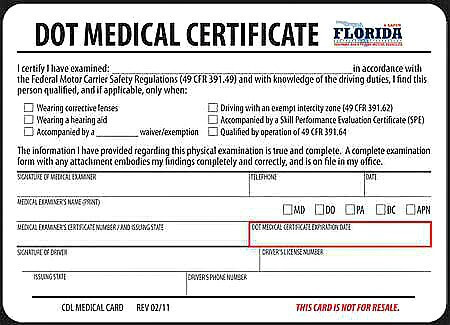
Successfully passing a DOT bodily ends in the issuance of an MEC, which is often legitimate for 24 months.
Exemption Programs:
Certain health circumstances could also be eligible for exemption applications, permitting drivers to proceed working with specific conditions under certain situations.
Aging Driver Considerations:
Drivers aged sixty five and older may face more frequent DOT physicals to watch their well being and fitness.
It's essential for drivers and employers to remain informed about DOT bodily requirements and seek the advice of with certified medical examiners for the newest pointers..